
WHY RePIC
RePIC is designed for students who want to understand and shape the future of post-industrial cities through critical, interdisciplinary, and practice-oriented approaches. By combining academic depth, real-world engagement, and international mobility, the programme equips graduates to navigate and transform complex urban challenges across Europe and beyond.
Studying In Europe
Europe’s urban landscapes represent some of the most dynamic and diverse systems in the world, ranging from compact medieval cities to sprawling post-industrial regions shaped by successive waves of social, economic, and technological change. Studying in Europe through RePIC means engaging directly with these living urban laboratories, where theory meets practice in cities confronting real challenges related to sustainability, inequality, governance, and transformation. Through structured mobility and place-based learning, students experience how urban issues unfold differently across contexts, scales, and cultures. You will benefit from the rich cultural and academic traditions of eight leading universities, each contributing distinct disciplinary strengths, methodological approaches, and international perspectives to collaborative learning, research, and design projects.

Becoming A Generalist-Expert
Urban challenges rarely belong to a single discipline, and RePIC prepares students to move confidently across boundaries by becoming both broad-minded generalists and skilled specialists. The programme cultivates the ability to interpret complex urban phenomena, critically engage with multiple bodies of knowledge, and translate insights between diverse stakeholder groups, including policymakers, practitioners, communities, and researchers. Students develop the capacity to design and evaluate innovative approaches that integrate social, spatial, economic, environmental, and technological perspectives. This balance of breadth and depth fosters intellectual agility and reflective practice; a mindset essential for navigating and shaping rapidly evolving urban environments.
Interacting With Future Employers
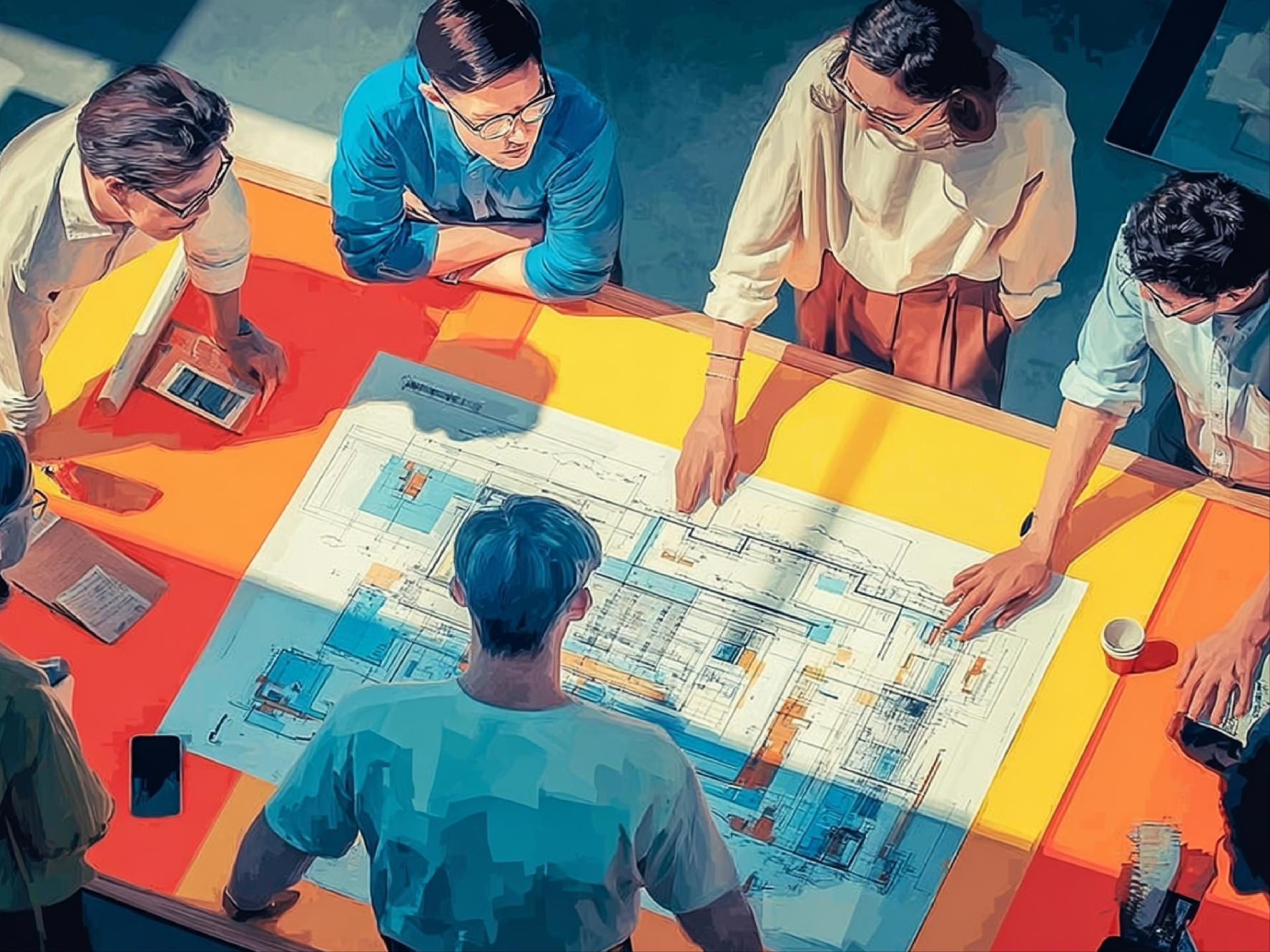
RePIC’s multidisciplinary approach is grounded in the understanding that real-world urban challenges rarely align with traditional academic boundaries. Faculty members from a wide range of disciplines related to Urban Studies contribute their expertise, offering students diverse analytical lenses and practical insights. In addition, leading international scholars and guest lecturers are regularly invited to teach and to deliver talks, lectures, seminars, and round-table discussions that connect current research with pressing urban issues.
Beyond academia, representatives from city administrations, public agencies, companies, NGOs, and regional organisations actively engage with the programme by presenting real challenges they are facing and exploring possible pathways for intervention. These exchanges often lead to the development of new projects, provide inspiration and grounding for Master’s thesis topics, and inform the design of CityLabs, ensuring that student work remains closely connected to professional practice and future employment contexts.
A Joint Degree Diploma
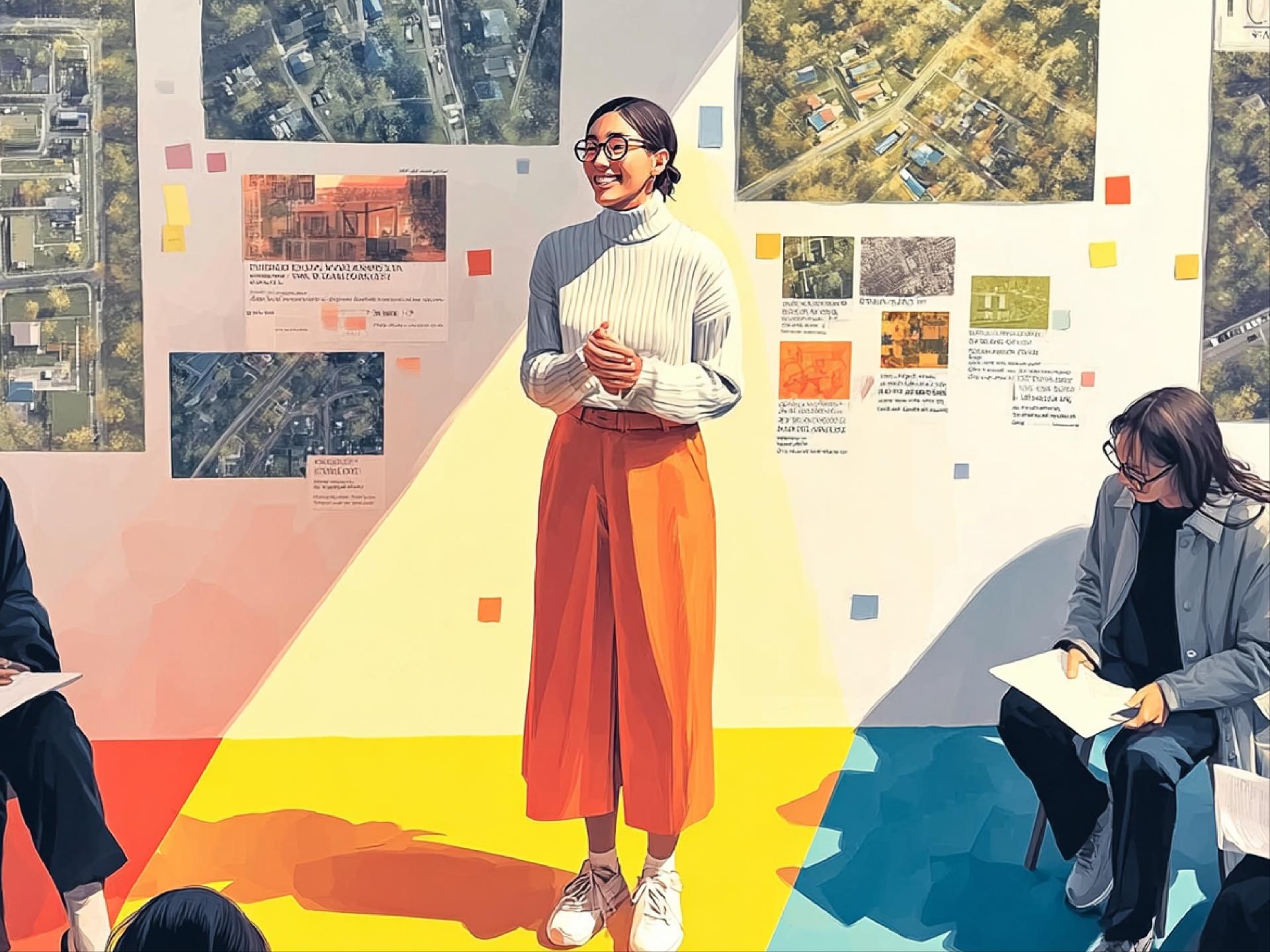
Graduates of RePIC receive a joint degree awarded by eight internationally renowned universities, a qualification that is widely recognised and valued by employers and academic institutions worldwide. This joint diploma reflects the programme’s high academic standards, international scope, and interdisciplinary structure. Beyond the degree itself, students become part of a high-performance academic and professional network that extends well beyond graduation. For those pursuing an academic career, RePIC provides access to first-rate doctoral programmes, mentoring, and structured career development opportunities, supporting progression toward research leadership and executive positions within academia and research-driven institutions.

Dedicated Student Support And Ease Of Mobility
Throughout each of the four semesters, student service units at the partner institutions provide comprehensive support covering social, cultural, academic, administrative, and legal matters. Through dedicated advisory services, orientation activities, and a wide range of student-focused events, RePIC ensures that students are supported not only in navigating university systems but also in integrating smoothly into campus and city life. This coordinated support structure helps students manage academic demands, adapt to new institutional and cultural environments, and focus fully on their learning experience as they move across countries and universities during the programme.

Career Prospects
Upon successful completion of the RePIC programme, graduates are well positioned to pursue or advance careers across a wide range of professional fields, including public administration, private-sector organisations, international institutions, NGOs, consultancies, and university and non-university research environments. The programme’s interdisciplinary training equips students with analytical, methodological, and collaborative skills that are highly valued across diverse urban-related professions. Opportunities to engage with potential employers begin well before graduation and are embedded throughout the programme. Across all four semesters, students regularly interact with practitioners, policymakers, and organisational representatives through lectures, seminars, CityLabs, and project-based collaborations. These encounters often contribute directly to thesis topics, applied research projects, and future employment opportunities.
In addition to the core curriculum, students are invited to attend research- and practice-oriented lecture series organised by the partner universities and their extended networks. These activities foster early professional connections and exposure to sector-specific debates and career pathways. Examples include the Ruhr Lecture series in Metropolitan Studies organised by the University Alliance Ruhr, as well as GIS-focused lectures hosted by the Interdisciplinary Centre of Geo-Information (IZG) at Ruhr University Bochum in cooperation with the German Cartographic Society (DGfK e.V.). Furthermore, students benefit from dedicated career guidance services at each partner institution. These services provide tailored support through career counselling, insights into local and regional job markets, assistance with job applications, and the organisation of career events and job fairs. More detailed information about career support and guidance opportunities is available in the Student Handbook.

As a RePIC graduate you can find employment in the public sector in areas such as:
- Public Urban Planning / Quarter Management
- Community Development
- City administrations
- Geospatial Data Analysis and Visualization
There are also opportunities for you as a RePIC graduate at:
- Governmental organizations at local, national, European, and international level
- Social work organizations
- Third sector, NGO's engaged in Neighbourhood Development
- Foundations and organizations dealing with urban development and transformation
- Companies and organisations focused on metropolitan transitions,e.g., in sectors such as energy, data management, mobility, health, housing and education
- Consultancies with a focus on Innovation and Change Management
- Design agencies/businesses, development agencies, architecture / construction firms
- Property developers, consultancies in Architecture and Urban or Regional Planning
Why do employers need graduates of this Master’s now and in the future?
The urban history of our post-industrial cities emanates largely from the processing and manufacturing and in some cases exploitation and exhaustion of resources (natural resources such as soil, water, fossil fuels and minerals as well as human resources) of the industrial sector. This model is now comparatively less important than more dominant economic sectors (especially the service sector), while the industrial sector still accounts for 10-20 % of a city’s Gross Domestic Product (GDP). Re-designing such cities requires an updated look at declining development paths, the set of social, economic, cultural, environmental, and political challenges post-industrial cities are facing at a turning point of their very existence, and potential escape routes from the path of decline.
Post-industrial cities are undergoing tremendous changes of interdependent human and environmental systems: migration, climate change, economic crises, widening gaps between the rich and the poor, pandemics, but also technical breakthrough developments (like artificial intelligence, autonomous driving, "green" energy supply and digitisation in general all challenge the ways cities are organised and people live and work in them. City governments and private employers need to respond to these challenges with city managers, urban planners, and community designers that integrate different disciplinary perspectives on all governance levels, physical and human capital, economics, health, traffic, climate, migration, and others.
Graduates of the RePIC programme obtain with this unique degree an edge over candidates from traditional or mainstream urban studies or urban planning degree programmes because they have developed a deep and transdisciplinary, thinking outside the box, understanding of topics such as:
- Superdiversity in urban contexts;
- Innovation and digitalisation of public administration;
- Open space governance and management;
- Resilient cities;
- Healthy urban planning in European cities;
- Cultural economy, heritage economy and tourism;
- Trends reshaping climate and energy and the European Green Deal;
- Transnational migration, urban social movements and ‘the right to the city’